

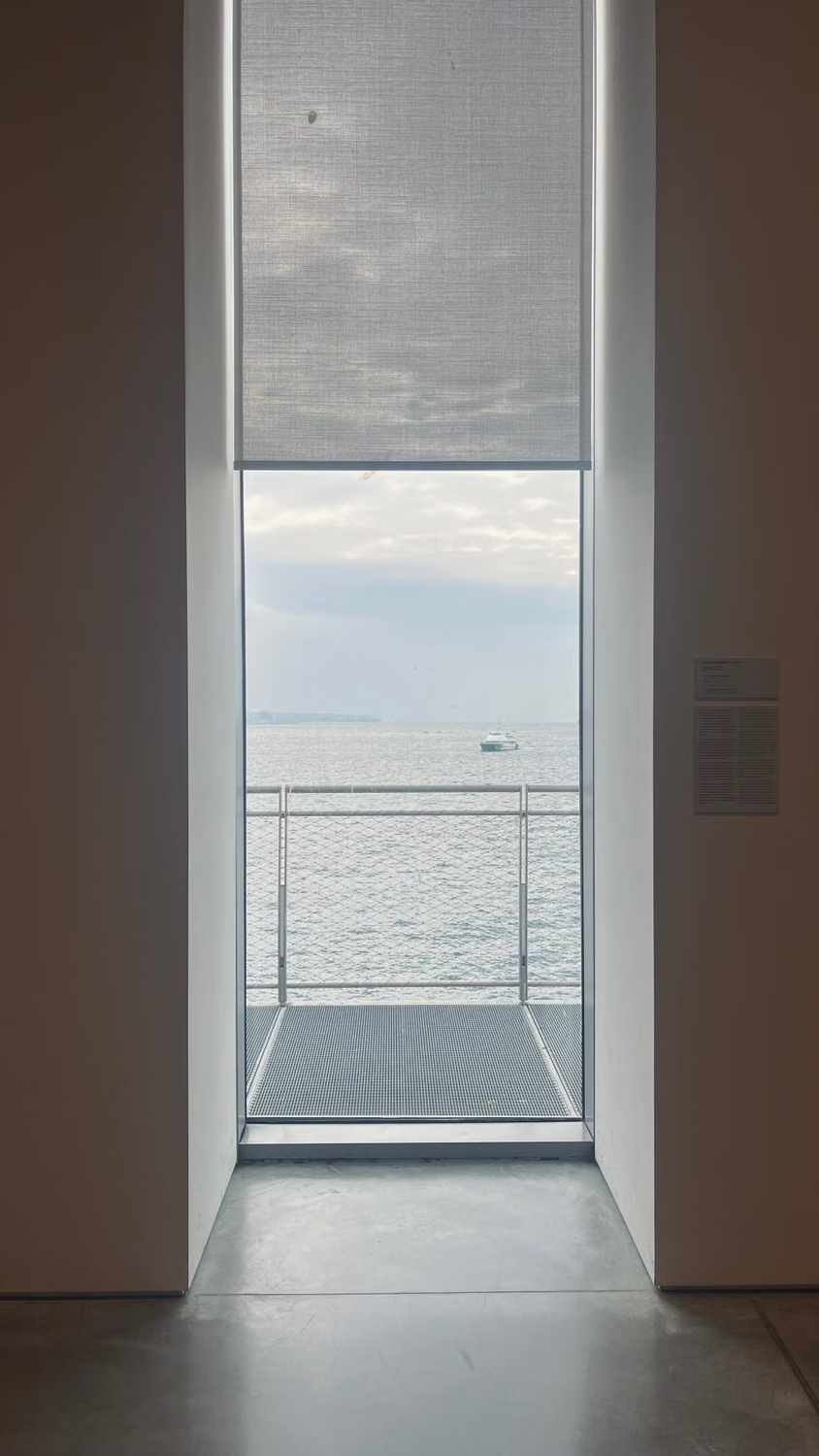
A sea view is one of the most memorable features an Istanbul apartment can offer. Water changes with light, boats bring movement to the horizon, and an ordinary room can feel connected to a larger landscape. Yet the view is only one part of what you are buying. The same apartment must also provide comfortable rooms, a well-maintained building and practical access throughout the year. This guide explains how to examine a sea-view property without allowing its strongest photograph to become a substitute for a full inspection. It applies whether the outlook is toward the Bosphorus, the Marmara coast or a more distant stretch of water.
Define the view you are actually buying
Ask the seller to describe the view precisely. Is it visible from the main living area, from a bedroom, only from the balcony or only when standing close to a particular window? A photograph taken with an unusual lens or camera position can emphasize a small opening between buildings. During a viewing, stand and sit where you would normally spend time. Look from the position of a sofa, dining chair and desk. Note how much of the water remains visible when furniture is in place and the room is used normally.
Keep your own photographs from several ordinary positions, clearly labeled by room. Do not compare a balcony photograph from one apartment with a living-room view from another as though they were the same benefit. Separate an open panorama, a framed water view and a partial glimpse. None is automatically wrong, but each should be understood honestly. If the outlook is the main reason for a higher price, this simple exercise helps you judge the benefit you will actually receive rather than the image that first attracted you.
Investigate what sits between the window and the water
Look at the land and buildings in front of the apartment. An empty site, a low structure or a parking area should prompt questions rather than an assumption that the current view is permanent. Identify the relevant parcels and request professional help to interpret current planning information where needed. Istanbul Metropolitan Municipality publishes planning information, while TKGM offers a parcel inquiry service. These are starting points for investigation, not a promise about every future decision. A public map or a seller’s statement alone cannot establish that your view will never change.
Ask for any material representation about the view in writing and have an independent legal adviser explain what the wording does and does not mean for your transaction. Keep a distinction between visible facts today, verified records and an opinion about the future. If the purchase only works for you provided that a particular neighboring site remains unchanged, treat that dependence as a central issue. You may still choose the home, but the decision should acknowledge the uncertainty instead of hiding it behind a phrase such as “uninterrupted sea view.”
Observe daylight, glare and privacy together
A large window can provide a beautiful outlook while creating a challenging position for a television, computer or dining table. Visit at different times if possible, and note where direct light falls. Consider the rooms you use during the day and the extent to which blinds or curtains may be needed. If you expect to work beside the view, check the screen position from a normal seated posture. A pleasant horizon has less daily value if the only practical work arrangement requires covering the window for most of your working hours.
Look back toward neighboring balconies and windows. Privacy is not measured only by distance; the angle between buildings and the height of surrounding homes matter to your experience. Imagine evening use with lights on inside. Decide whether screening would affect the view you are paying for. Ask how external shading or balcony alterations are managed before assuming you can change them. The aim is not to reject large glazing, but to understand how daylight, privacy and interior layout work together in this particular apartment.
Test wind as an experience, not a slogan
A balcony that feels delightful on a calm viewing day may feel different in exposed weather. Wind conditions vary with location and building form, so district-level impressions cannot settle the question. Review current official marine and local forecasts when planning another visit, and ask residents about the practical use of outdoor areas during different seasons. A forecast helps organize observation; it does not describe a building’s engineering performance. Avoid treating one day’s weather, whether calm or dramatic, as evidence of the full annual experience.
Check ordinary details from a safe position: how easily external doors operate, whether occupants report whistling around windows and whether outdoor furniture needs special management. Do not lean over edges or conduct improvised load tests. If balcony glazing, balustrades or fixings raise concerns, ask a qualified professional to assess them. Also consider where you would store loose items when the home is empty. The key question is whether the outdoor space suits your intended use and whether the building has an understandable maintenance approach for its exposed components.
Examine the window and façade maintenance record
Wind and rain can expose weaknesses in a building envelope, and coastal conditions can make the choice and maintenance of external materials important. General guidance from WBDG and FEMA explains these principles, but their documents are not a compliance assessment of an Istanbul property. Use them to frame sensible questions, then seek building-specific advice. Ask when windows, seals, external coatings and visible metal components were last inspected or serviced. Request records where available rather than assuming that an attractive exterior means the details are performing well.
Inside, look around window edges, ceilings near exterior walls and the junction between floors and balcony doors. Note staining, bubbling paint, damaged finishes or unusual recent patching. These observations are reasons to investigate, not a diagnosis of the cause. Ask what happened, what was repaired and whether the work addressed the source of the problem. A qualified inspector can help distinguish issues and recommend any further testing. Do not accept a quick cosmetic explanation merely because the room’s outlook makes you reluctant to slow down the purchase.
Look at balconies, terraces and drainage safely
Outdoor floor levels, thresholds and drainage arrangements deserve attention, particularly where a terrace sits above another dwelling. Ask how the space is maintained, who is responsible for the waterproofing and whether there is a history of leaks. Look for debris around visible drains and observe whether finishes appear damaged, without removing building elements or trying to flood-test the balcony yourself. If the terrace has been enclosed or changed, request documentation and professional clarification of the alteration before considering it equivalent to the original arrangement.
Think about the space as a usable room rather than a photograph. Can a table and chairs fit without blocking movement? Is there a practical path to the kitchen, and where would cushions or seasonal items go? For families, identify any concerns that require a competent safety assessment rather than assuming a decorative screen solves them. A terrace is valuable when it is comfortable, appropriately maintained and suitable for the people who will use it. Its size alone does not answer any of those questions.
Ask what coastal upkeep costs in this building
Avoid generic assumptions that every sea-view property has the same maintenance burden. Distance from water, exposure, materials, building design and past maintenance all affect what needs investigation. Ask the management for recent expenditure on the exterior, windows in common areas, railings and exposed equipment. Determine which elements belong to the individual apartment’s responsibilities and which are maintained collectively. Seek written explanations where the division is unclear, particularly if replacing or repairing a component would require access from outside the building.
Build an ownership budget from the actual records and relevant quotations. Include regular charges, foreseeable maintenance and a reserve for unresolved items. If an important repair has been discussed but not approved, record that status rather than treating the cost as zero. Owners who travel frequently should also think about who can inspect the property after unusual weather and report a problem promptly. You are not trying to attach an invented coastal premium to every bill; you are identifying the real operating obligations of the particular home.
Separate the view from noise and access
A waterfront position may involve road activity, pedestrian traffic, boats or nearby businesses, depending on the exact address. Listen inside the bedrooms and living area with windows open and closed, at more than one time of day where possible. Ask yourself whether the view encourages open-window living that the sound environment does not support. A quiet photograph offers no information about these conditions. If you are sensitive to noise, consider a specialist assessment rather than relying only on a short appointment with an agent.
Then walk from the entrance to the places you will actually use. A property high above the water may offer a broad outlook but a difficult climb from transport or shops. A lower home may trade panorama for more direct everyday access. Test the route both ways and consider groceries, luggage, children and older relatives. Check the lift and the approach to the building separately from the apartment. The most successful sea-view home combines an outlook you enjoy with a practical way to live there when you are not looking out of the window.
Give technical and legal checks their full scope
A sea view does not indicate structural condition. Obtain the available building documents, alteration history and independent technical advice appropriate to the property. Do not allow an inspection focused on windows or dampness to be mistaken for a comprehensive structural assessment. Equally, a report about the building should not be assumed to settle title, use or planning questions. Ask each professional to explain the scope of the work and identify anything requiring a different specialist. Several narrower, well-understood checks are more useful than a vague statement that everything has been checked.
Keep records associated with the exact unit and building. A report for another phase of a development or a brochure describing general construction features is not necessarily evidence about the apartment under consideration. If important information remains unavailable, reflect that in your decision. You may need another viewing, a written explanation or a pause in negotiations while a professional reviews the facts. This is especially important when the emotional appeal of the outlook creates a sense that the opportunity must be taken immediately.
Compare sea-view value through a complete property score
Create a sheet for each candidate that records the actual view from normal seating, daylight, privacy, wind experience, window condition, outdoor usability, building evidence, walking access and recurring costs. Separate observation from seller statements and professional conclusions. Avoid adding everything into a supposedly precise investment score: some questions are simply unresolved. A less panoramic home with a practical plan and clear maintenance history may suit you better than a dramatic outlook attached to uncomfortable rooms. Another buyer may reasonably choose differently because their usage pattern is different.
Imagine your first ordinary winter week in the apartment, not only your first summer evening. Where do you eat, work, store belongings and dry laundry? How do you return from the shop, and who responds if a window begins leaking while you are away? A considered purchase gives these questions the same attention as the sea. Verify records, seek independent advice for specialist matters and choose the view as part of a complete home. That approach lets the water remain a lasting pleasure rather than the feature that distracted you from the rest of the property.
Sources and technical background
- Istanbul Metropolitan Municipality: Planning information
- TKGM: Official parcel inquiry information
- Turkish State Meteorological Service: Istanbul marine forecast
- WBDG: Wind Safety of the Building Envelope
- FEMA: Coastal Construction Manual
Cover photo: Pexels. Illustrative image; not a property listing or an endorsement. Pexels · Pexels License

Residence TR Editorial
Conducts in-depth research at Residence TR on architectural history, Bosphorus waterfront mansions, urban regeneration and legislation affecting international investors.
Planning a property investment in Turkey?
Work with our specialists to identify residential projects that suit your budget, investment goals and citizenship eligibility requirements.