

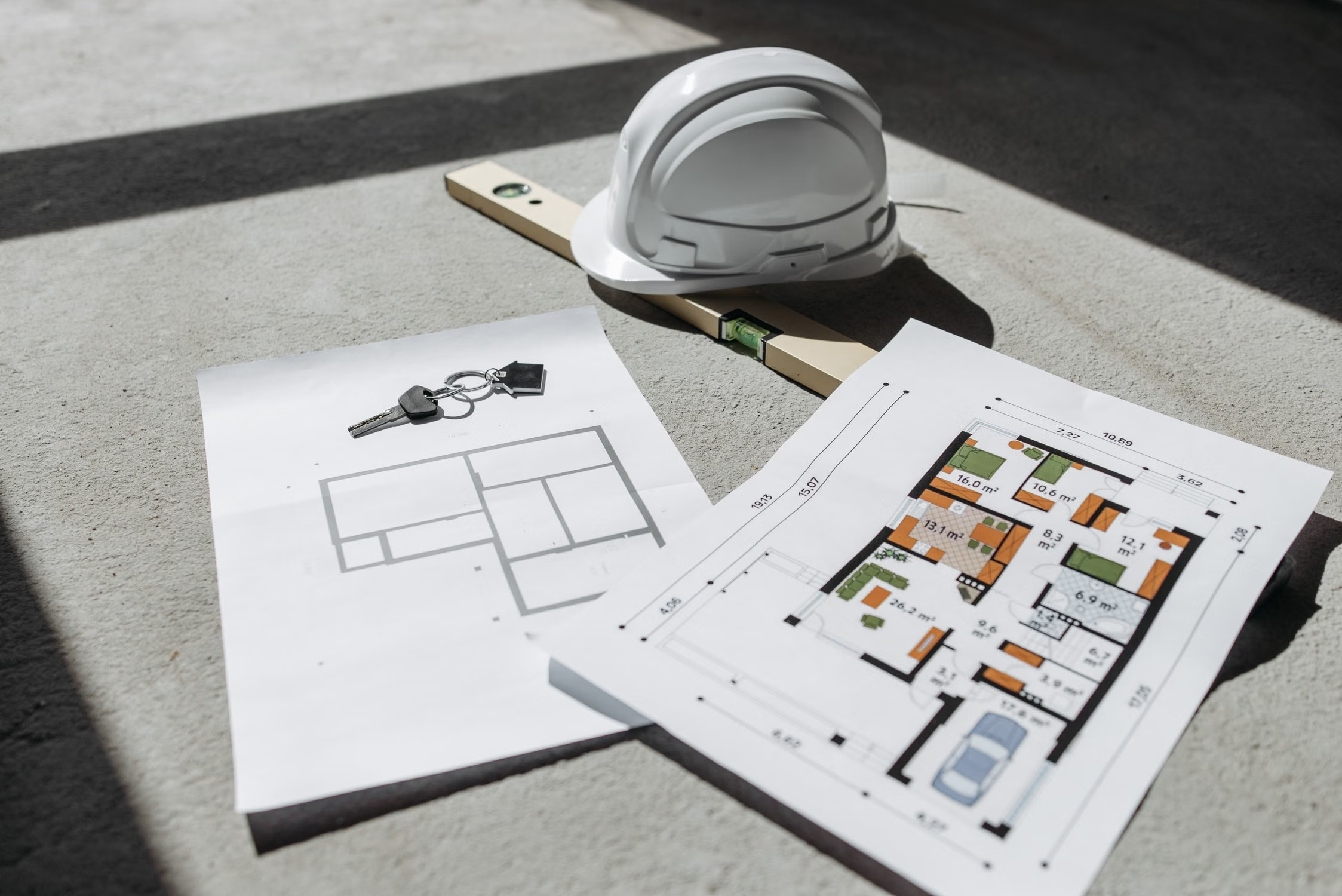
Receiving the keys to a new home is easier to manage when the appointment has a clear purpose. You need to identify the property and included items, record visible condition, understand how equipment is operated, and establish who will address unfinished work. A snagging checklist is a practical record of observations; it is not a structural certificate or a substitute for the legal and technical advice appropriate to the purchase. The steps below help organise a handover in Turkey without assuming that every project uses the same procedure. Ask your advisers to explain the meaning of any document you are expected to sign and the consequences for your particular transaction.
Arrange the visit before arranging the move
Agree a date, expected duration, attendees, and the exact unit to be inspected. Ask whether relevant services will be operating and whether the home will be clean enough for surfaces to be visible. Explain if an independent inspector or translator will attend. Request the current specification, layout, included equipment list, and the seller's proposed defect reporting process in advance. Avoid scheduling the entire household move immediately after the first inspection, because a complicated appointment leaves little room for questions. If you are buying remotely, give your representative a written scope and confirm how decisions will be referred back to you. A representative should know what to record and what they are not authorised to approve.
Prepare a useful recording system
Use a simple numbered log with columns for location, observation, photograph, responsible contact, proposed action, and review status. Identify rooms consistently, such as bedroom facing the entrance or bathroom beside the kitchen, rather than relying only on memory. Take an overview photograph before a detailed image so that the issue can be located later. Keep original files and dates. Describe what you see without inventing a diagnosis: a damp-looking mark below a window is an observation, while a claim about the hidden source requires investigation. Avoid attaching misleading labels such as structural failure to a cosmetic mark. Clear records make the follow-up discussion more efficient and help qualified people understand the question.
Begin with identity, access, and included spaces
Confirm that the apartment, floor, and associated spaces match the material your adviser has checked. Walk the access route from the street and note the entrance, lift, stairs, parking, and storage arrangements relevant to your purchase. Ask how keys, access cards, intercoms, and remote controls are managed. Count and label what is handed over without publishing security codes or photographs of working keys. If a common area is unavailable, record that fact and agree how it will be reviewed later. Do not enter restricted service rooms. Questions about the legal basis of a parking or storage arrangement belong with your legal adviser; a photograph of a space alone does not settle them.
Walk every room in the same direction
A consistent route reduces omissions. Start at the door and move around each room, examining accessible walls, ceilings, skirtings, floors, fittings, and visible joints. Look under ordinary daylight where possible and use normal room lighting too. Record damage, unfinished edges, obvious gaps, and areas that cannot be seen. Open and close accessible internal doors normally, without forcing them, and note scraping, sticking, or missing hardware. Check that planned furniture can pass through important openings, using safe measurements rather than guesswork. Do not scratch finishes, remove panels, or dismantle fittings to investigate a suspicion. If you think a concealed issue exists, ask an appropriate professional to define a suitable inspection.
Give windows and exterior doors their own check
Operate each accessible opening as intended and ask for a demonstration if the mechanism is unfamiliar. Observe handles, visible seals, glazing, frames, shutters, screens, and the surrounding finish. Record chips, cracks, obvious gaps, and signs of water marking. Ask how locks and ventilation positions work and obtain the relevant instructions. Do not lean outside, climb onto furniture, or attempt to test weather resistance by spraying water without a professional procedure. A calm dry-day visit cannot establish performance in wind-driven rain. Where there is a concern, document it and ask what specialist assessment is appropriate. On balconies, remain within safe accessible areas and leave elevated or external inspection to competent personnel.
Review kitchens as working spaces
Identify the equipment included in the purchase and compare model information where a specific item was agreed. Open accessible cupboards and drawers normally, observe alignment and finish, and look for damage around worktops and joints. Ask the handover representative to demonstrate normal operation of installed appliances where safe and commissioned. Look for visible leakage around accessible water connections without dismantling them. Confirm where user manuals and service contacts will be stored. The fact that an appliance lights up does not prove every function has been tested. If a unit is not connected or cannot be demonstrated, record that limitation. Avoid allowing an incomplete demonstration to become an unqualified statement that the entire kitchen is operating correctly.
Check bathrooms without creating a test hazard
Ask the responsible person to demonstrate normal water flow, drainage, hot water availability, extraction, and accessible fixtures. Observe visible joints, seals, fittings, surfaces, and signs of leakage. Record slow drainage or unusual behaviour as an observation and refer it for assessment. Do not flood a room or block drains to improvise a waterproofing test. Concealed waterproofing cannot be certified by looking at attractive tiles. If moisture staining is present, the important follow-up is to identify and address the source rather than simply repaint the surface. The EPA's general guidance explains the relationship between moisture control and indoor mould prevention, but it does not diagnose a particular bathroom. Specific concerns need suitable local technical assessment.
Leave electrical and gas testing to qualified people
Ask for the applicable commissioning, testing, and service information, and have your adviser explain what records should exist for the installed systems. A homeowner can request a normal user demonstration; they should not remove electrical covers, probe wiring, alter gas fittings, or defeat protective devices. If a socket, switch, alarm, or control behaves unexpectedly, stop using it and refer the matter to the responsible professional. Record which systems were not operating at the visit. Safety-critical questions should not be treated as cosmetic snags merely to finish the appointment. Ask who is qualified to investigate and how the result will be documented. Any immediate hazard requires a safe response under the guidance of competent local personnel.
Understand heating, cooling, and ventilation controls
Have the representative demonstrate ordinary controls, explain the areas served, and identify routine user maintenance described by the manufacturer. Locate manuals, model details, service contacts, and any operating limitations. Listen for unusual behaviour and note rooms that cannot be checked, but do not assume a brief demonstration proves performance through every season. Cooling, heating, ventilation, and condensate arrangements may require specialist review. The ENERGY STAR maintenance checklist usefully separates professional equipment work from routine user tasks; it should not be read as permission for an unqualified owner to adjust electrical or refrigerant components. Ask a suitable contractor what maintenance the actual installation needs and how visits are recorded.
Inspect outdoor and common areas realistically
For a balcony, terrace, or garden, record accessible surfaces, visible drainage points, doors, railings, lighting, and the boundary between private and shared responsibility. Stay away from edges and do not climb to examine roofs or façades. Ask how drainage is maintained and whom to contact after heavy weather. In the building, confirm which facilities are currently usable and which remain subject to completion or commissioning. Ask management for operating information and a channel for reporting defects in common areas. An unfinished shared space should not disappear from the record because the apartment interior looks complete. Distinguish what you observed personally from what management said would happen later.
Prioritise the log and agree a follow-up method
Separate urgent safety or usability concerns from unfinished work and minor cosmetic observations. Do not invent technical priorities yourself when specialist advice is needed. Ask for a written response showing how each item will be assessed, who will act, and how access for repair will be arranged. Proposed dates should be recorded as proposals unless their status has been clarified. Keep communication linked to item numbers so that a general message such as everything is fixed does not close unrelated questions. If the parties disagree, record both positions and seek the relevant professional advice. Your goal is an accurate account, not a confrontation or a premature declaration that all concerns are resolved.
Recheck repairs and keep the home file
A repair should be reviewed against the original observation, not merely marked complete because someone attended. Take updated photographs and record what can now be seen or demonstrated, noting any remaining limitation. Keep the original entry rather than overwriting history. Store the final equipment list, manuals, contacts, meter information, keys record, inspection reports, and outstanding actions in a home file. Protect personal and security information within it. A careful handover gives the owner a starting point for maintenance as well as a record of unfinished work. The appointment is successful when responsibilities and next steps are clear enough to use the home confidently, with professional support for issues outside ordinary observation.
Sources and further reading
- RICS — Home Surveys
- EPA — A Brief Guide to Mold, Moisture and Your Home
- ENERGY STAR — Maintenance Checklist
Cover photo: Pexels. Illustrative image; not a property listing or an endorsement. Pexels · Pexels License

Residence TR Editorial
Conducts in-depth research at Residence TR on architectural history, Bosphorus waterfront mansions, urban regeneration and legislation affecting international investors.
Planning a property investment in Turkey?
Work with our specialists to identify residential projects that suit your budget, investment goals and citizenship eligibility requirements.