

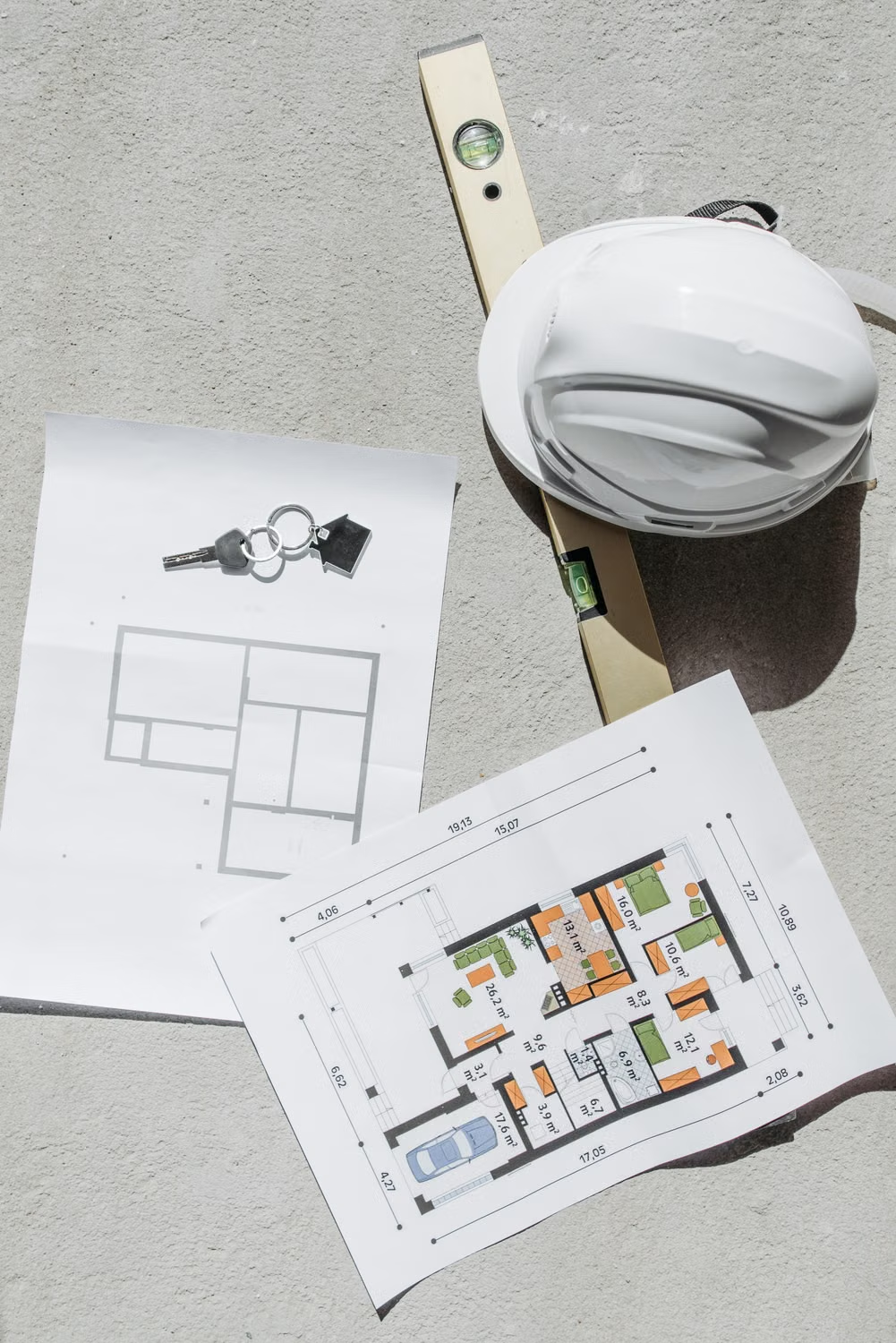
Choosing between an off-plan property and a completed home is partly a choice about when evidence becomes available. In a finished apartment, you can examine the actual rooms and building. In an unfinished project, some important features exist only in drawings, specifications, contracts, and the developer's delivery process. Neither format is automatically the right choice. The useful question is whether the evidence, timing, uncertainty, and practical responsibilities fit your circumstances. This guide compares the two routes without predicting prices or returns. Transaction-specific legal, technical, and financial questions should be reviewed by appropriately qualified advisers using current official information.
Define the date when you need a usable home
Begin with your intended move rather than an advertisement. A family needing accommodation for a particular school term faces different constraints from a buyer planning occasional visits several years ahead. Write down the latest acceptable occupation date and the consequences of missing it. Consider temporary accommodation, storage, additional travel, changing work arrangements, and the disruption of moving twice. A ready home may still need repairs, furniture, utility arrangements, or administrative steps before it is usable. An off-plan delivery date is not the same as a personal moving date either. Build a plan that explains what must happen between receiving access and living comfortably in the property.
Compare actual evidence with future commitments
For a ready property, the main evidence includes its present condition, a measured layout, operating services, management records, and inspection findings. For an off-plan home, the evidence also needs to describe what will be delivered: the exact unit, drawings, specifications, finishes, equipment, common facilities, and the process for handling changes. Ask your advisers to separate legally meaningful commitments from sales descriptions. A brochure image can communicate a design intention while leaving important details unspecified. Do not assume that furniture, landscaping, lighting, or a particular view shown in an illustration forms part of the purchase. Record each feature that matters and identify where its inclusion is confirmed.
Understand what a show apartment can demonstrate
A show apartment is useful for discussing finishes, room proportions, and possible furniture arrangements, but establish how it differs from the unit under consideration. It may occupy a different floor, face another direction, or use an alternative layout. Lighting, ceiling treatments, fitted furniture, and upgrades may also differ. Ask for a written comparison between the display and the proposed apartment. For a ready home, make the same distinction between temporary staging and included fixtures. Photograph or list the items that matter and ask your adviser how they should be documented. A realistic comparison depends on the home you would actually receive, rather than the most persuasive presentation of a related product.
Examine floor areas and circulation carefully
Request plans showing dimensions, structural elements, doors, windows, fixed kitchen units, and service spaces. Ask what the advertised area includes and which measurement basis has been used. Labels alone do not answer whether the rooms will suit your furniture or routines. Draw realistic beds, desks, dining chairs, and storage on a plan, then trace the routes between them. In a completed property, verify important dimensions physically. In an off-plan property, identify dimensions that are fixed and those that could change, and discuss their significance with your adviser. A modest layout with useful proportions may serve a household better than a larger figure with inefficient passages or difficult room shapes.
Treat delivery as a sequence of separate events
Construction progress, completion of individual interiors, commissioning of systems, access to common facilities, formal documentation, and handover may not all occur together. Ask the developer to describe the anticipated sequence for the specific project and unit. Clarify what will be operational when access is offered and what may remain unfinished. A finished apartment surrounded by ongoing works can have a different daily experience from an established building. For a ready home, check whether common facilities actually operate as advertised and whether outstanding building work affects access or comfort. Have your legal adviser explain the significance of proposed dates and stages rather than assuming every milestone carries the same consequence.
Model your own cash requirements
Create a dated cash plan rather than comparing headline prices alone. Include the payments and expenses your advisers identify, likely furnishing, inspection, travel, temporary accommodation, and a practical reserve for unexpected needs. Keep currencies visible if your income, savings, purchase terms, and household costs differ. Ask a qualified financial adviser about the implications for your circumstances; do not treat an illustrative exchange rate or an agent's forecast as a reliable outcome. For an off-plan purchase, identify the timing and conditions of every proposed payment. For a ready home, consider the effect of a shorter decision and payment timetable. The better fit is the route you can manage without depending on an optimistic chain of events.
Review the developer and the particular project
Past delivery can provide useful questions, but a completed building elsewhere does not prove the condition or progress of the current project. Request information about comparable completed work and, where practical, visit it independently. Speak with building management about operation and maintenance rather than asking only whether the lobby looks attractive. For the proposed project, ask your legal and technical advisers what permissions, records, contractual matters, and construction evidence should be reviewed. Keep findings specific to the exact development. Marketing awards, social media activity, and a busy sales office may be visible, but they do not replace independent checks. Distinguish what has been verified from what has simply been supplied for consideration.
Inspect ready homes beyond their cosmetic finish
A completed apartment offers physical evidence, yet a clean surface does not reveal everything. Arrange an appropriate independent inspection covering the accessible areas and agreed systems. Ask about moisture signs, windows, drainage, ventilation, fixed equipment, and visible defects, with specialist investigation when needed. Establish what the inspection excludes and which services were not operating. Check building records and discuss planned works with management. For a previously occupied home, identify what equipment remains, what has been altered, and what information is available about maintenance. A ready property reduces some future uncertainty, but it still requires a structured assessment of the actual home and the responsibilities that come with it.
Make change control a purchase question
In an off-plan project, ask how design and specification changes are communicated, recorded, and reviewed. Identify who can approve an alternative product and what information will accompany a proposed substitution. Ask your adviser to explain the applicable contractual position rather than relying on a casual promise that everything will be similar. Maintain a versioned folder for drawings and finish schedules. For a ready home, apply the same discipline to agreed repairs or replacements before handover. A dated list, an identified responsible person, and a clear verification step are more useful than an informal conversation. The objective is to notice changes while there is still time to understand their effect on your intended use.
Compare the lived cost of facilities
Pools, gyms, landscaped grounds, reception services, and lifts need operation and maintenance. Ask how management arrangements and recurring costs are being established, what information is currently available, and which figures are estimates. In a new project, the first budget may not describe every future maintenance need. In an established building, records can show how actual spending and planned works are handled. Avoid assuming that more facilities always mean better value for your household. Identify what you will use, when it is open, how access is managed, and whether seasonal restrictions matter. Compare the practical service offered with the responsibility of funding and maintaining it.
Plan inspection and handover before choosing
Ask each seller how inspection access and defect reporting will work. For an unfinished apartment, establish when an independent professional may inspect and how follow-up visits will be arranged. For a ready property, request access to the exact home with relevant services operating where safe and appropriate. Prepare a room-by-room record and distinguish cosmetic defects from issues needing specialist attention. Before accepting any statement about completion, have the responsible adviser explain its significance. Handover should include a clear record of keys, access devices, meter information, manuals, equipment, and unresolved actions. Decide how these tasks will be managed if you live abroad and cannot attend every appointment.
Test both routes against an adverse scenario
Use hypothetical scenarios to expose weaknesses in your plan, not to predict what will happen. For off-plan, imagine that the occupation date moves or a proposed finish changes. For a ready home, imagine that an inspection identifies repairs or a common facility needs substantial work. Ask what each event would do to your moving arrangements, available cash, and willingness to continue. Consult the relevant professional about contractual or financial consequences. This exercise is useful because the same uncertainty affects households differently. Someone with flexible travel and another home may tolerate inconvenience that would be unacceptable to a family relocating immediately. Your comparison should reflect that difference explicitly.
Build a decision record you can revisit
Create two evidence columns: verified facts and matters still dependent on future action or confirmation. Under each route, list the strongest advantages for your household, the most important uncertainties, and the next check needed. Do not award a permanent advantage to a property merely because it is described as new, completed, discounted, or premium. Those labels need explanation. A sound choice is one where the unit, timing, costs, evidence, and responsibilities are sufficiently clear for your circumstances. Keep the documents and reasoning after the purchase, including questions you decided were acceptable. That record will help during delivery, maintenance, and any later discussion about what was expected.
Sources and further reading
Cover photo: Pexels. Illustrative image; not a property listing or an endorsement. Pexels · Pexels License

Residence TR Editorial
Conducts in-depth research at Residence TR on architectural history, Bosphorus waterfront mansions, urban regeneration and legislation affecting international investors.
Planning a property investment in Turkey?
Work with our specialists to identify residential projects that suit your budget, investment goals and citizenship eligibility requirements.