

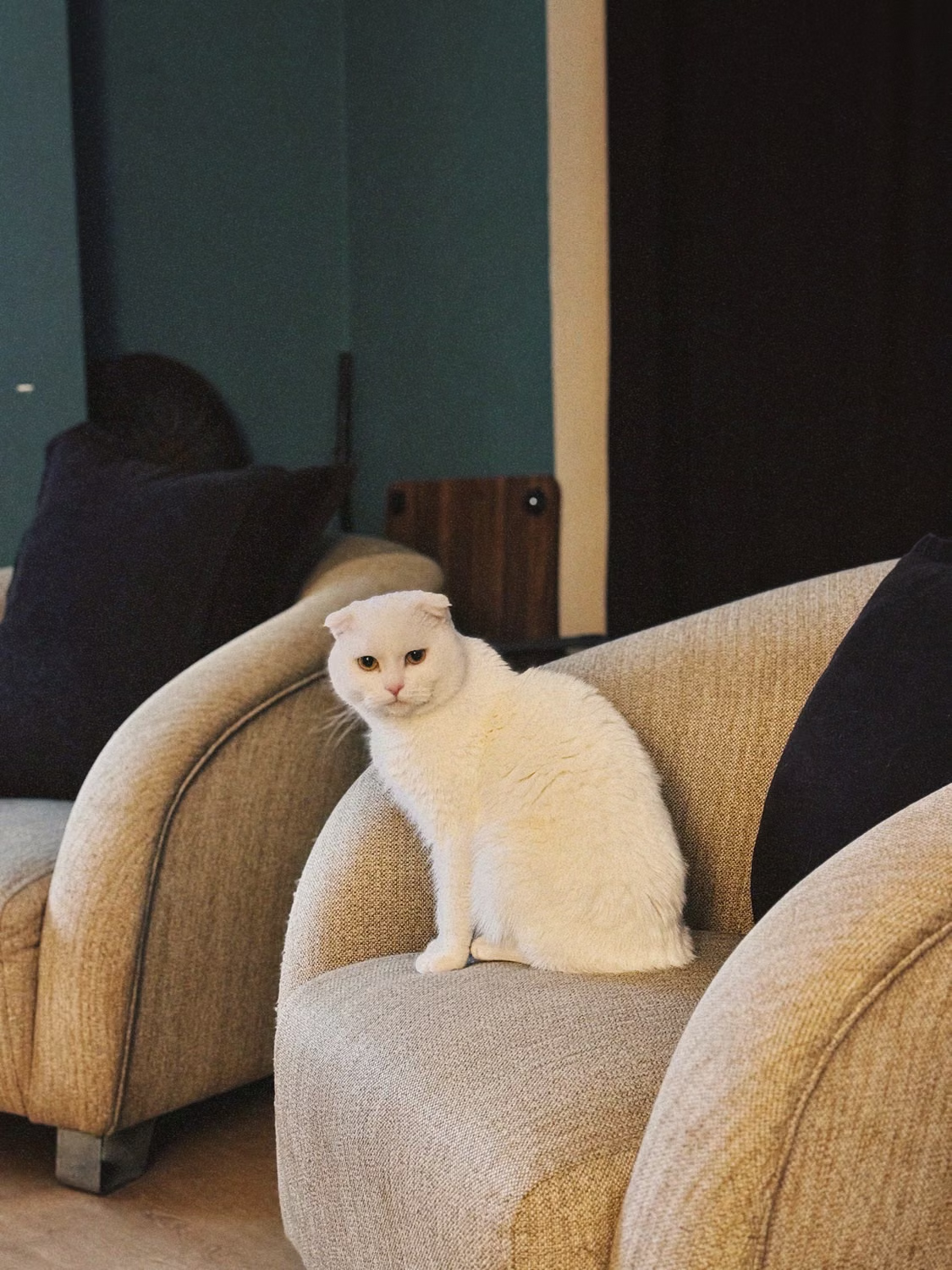
A pet-friendly apartment is more than a listing that says pets are welcome. A home must work for the animal, the people caring for it and the neighbors sharing the building. The right choice depends on daily routines, the pet's individual needs and the practical details of the property. A cat that needs secure observation points has different requirements from a large dog returning from wet walks. When buying or renting in Turkey, examine the complete arrangement: the apartment, shared spaces, building rules, neighborhood and move itself. This guide focuses on those decisions without assuming that one label or one general legal statement settles every question.
Start with the animal you actually live with
Write a short routine covering sleep, feeding, play, exercise, time alone and care during travel. Include age, size, temperament and any needs already discussed with your veterinarian. Avoid using a breed stereotype as a substitute for observing the individual animal. A highly active pet may need carefully planned enrichment even in a large home, while a smaller apartment may work well when its layout and daily routine are suitable. Identify what cannot be compromised before viewing properties. This helps distinguish essential conditions from attractive extras, such as a decorative communal lawn that pets may not actually be allowed to use.
Confirm the rules for the particular property
Ask for the relevant building management documents, shared-space rules and, when renting, the proposed tenancy terms. Find out how rules are communicated and who can answer questions in writing. Distinguish permission to keep a pet inside a unit from access to gardens, lifts, pools or shared lounges. Do not rely solely on seeing another resident with a dog; that does not explain the terms applying to your own situation. If documents are unclear or there is a disagreement, obtain local legal advice before committing. This article does not claim that all buildings or tenancies in Turkey follow one universal pet policy.
Walk the arrival route with ordinary equipment
Follow the route from the street to the apartment while imagining a lead, carrier, shopping bags and a tired animal. Check entrance doors, lift waiting areas, slippery surfaces and narrow corridors where residents must pass close together. Ask whether there is a separate practical route after a muddy walk, without assuming that a service entrance can always be used. Look for a convenient place to prepare before leaving and to clean paws after returning. The route should be manageable during everyday congestion, not only during an empty midday viewing when doors are held open and everyone has time to help.
Assess indoor space by use rather than area
A larger floor area is not automatically a better environment. Consider where the animal will rest away from noise, where food and water will stand and how people will move around those areas. For cats, plan suitable elevated observation and scratching opportunities without making unsafe alterations. For dogs, examine whether a bed can sit outside the main circulation route. Avoid placing essential resources where doors, appliances or household traffic repeatedly interrupt them. The RSPCA's guidance emphasizes making the environment suitable for cats; use that principle to ask how this specific layout could support the animal's normal behavior rather than merely contain it.
Examine windows, balconies and escape points
Look closely at windows, balcony doors, railings and terrace boundaries. A pleasant outdoor view does not establish that access is secure for a particular animal. Ask an appropriate installer about suitable screening or barriers and confirm what changes the property and management arrangements permit. Do not treat ordinary insect mesh as a guaranteed animal barrier. Check entry doors and any direct connection to communal corridors, gardens or parking areas. Plan where a carrier or lead can be kept ready without blocking the exit. A secure arrangement should remain practical when visitors arrive, deliveries are made and several doors are briefly open.
Think about floors, cleaning and indoor air
Inspect the condition and texture of floors rather than assuming one material is always best. Consider traction, cleaning, noise and the pet's comfort, especially where surfaces become wet. Check storage for litter, food and cleaning products so they do not obstruct the home. Look at ventilation and where odors would travel, while keeping supplies safely managed according to product instructions. If a property is advertised as newly refurbished, ask which finishes were used and whether work is complete before occupation. These are questions for the seller and relevant professionals; a photograph cannot confirm how a finish will behave in your household.
Listen for the sounds that affect your routine
Observe traffic, nearby animals, corridor doors, lift arrivals and neighboring balconies from the places where your pet would spend time. A quiet viewing does not prove an animal will remain calm, but it can identify obvious triggers to discuss with a qualified behavior professional if needed. Consider how your own noise might travel to neighbors. Rugs, furniture arrangement and routine may help household comfort, yet they should not be presented as a guaranteed acoustic solution. A home with a practical quiet room can be valuable during visitors, building work or the initial move, particularly when other rooms remain busy.
Test walking routes beyond the nearest green patch
For a dog, follow an actual morning and evening route from the entrance. Look for manageable crossings, usable pavements, lighting, waste bins and places where you can pause without blocking others. Check local signs and site-specific rules before assuming any park allows the activity you want. A landscaped strip beside fast traffic may be less useful than a modest but connected route through quieter streets. Think about returning in rain, carrying waste and passing other animals in narrow spaces. The quality of a daily walk depends on the whole route, including the first and last few minutes outside the building.
Plan for warm weather without making assumptions
Shade and the timing of outdoor activity deserve attention when evaluating a home. The RSPCA warns that hot walks and hot ground can put dogs at risk; for property selection, the practical response is to identify alternative routes and cooler places to rest. Do not assume that a nearby waterfront or a garden automatically solves heat exposure. Examine indoor shading, ventilation and cooling arrangements, then discuss your animal's particular needs with a veterinarian. This guide is not a treatment plan. The purpose is to avoid choosing a property whose daily routine depends on prolonged exposure to conditions that you cannot manage comfortably.
Check local care and transport before you need them
Locate veterinary services, ask about ordinary and emergency arrangements, and verify how you would travel there with your pet. A clinic appearing on a map is not evidence of opening hours, language support or the services needed for a particular animal. Consider grooming, boarding or trusted care if your work requires travel. Check transport providers' actual pet rules for the journeys you expect to make. These services can change, so confirm directly rather than relying on a property brochure. Keeping a practical care network within reach may matter more than selecting a complex with a pet-themed amenity that is rarely used.
Treat shared spaces as a relationship issue
Ask how management handles cleaning, complaints and access questions. Learn where pets can wait without blocking entrances and whether residents have established courtesies for lift use. Introduce routines that respect people who may be nervous around animals, while making sure your own household can live comfortably. A friendly conversation before commitment may reveal operational details that a written label misses. For example, a garden could be available only at certain times or have an entrance reached through a busy lobby. The best arrangement is clear and workable, reducing the likelihood that ordinary daily behavior becomes a recurring disagreement with neighbors.
Prepare the move as a separate project
Moving day involves unfamiliar people, open doors and disrupted routines. The ASPCA and animal-welfare organizations advise planning the transition rather than simply releasing an animal into an unfamiliar home. Set aside a calm initial space with familiar belongings, and agree who is responsible for the pet while furniture is moved. Keep essential supplies accessible instead of packing them deep in the removal vehicle. Ask your veterinarian about any animal-specific travel or adjustment concerns in advance. The property itself should support this plan: a room that closes properly can be more valuable on arrival than an elaborate outdoor area that is not yet secure.
Compare the complete cost of living there
Budget for practical screening, suitable storage, cleaning arrangements, transport and any permitted modifications. Obtain quotations before assuming that a balcony or garden can be made appropriate cheaply. Consider recurring care costs and the time required for daily routes, not just the purchase price or rent. A lower-priced property can become inconvenient if every walk requires driving or if a trusted carer cannot reach it easily. Conversely, a simpler home may work very well when secure indoor arrangements and useful nearby routes fit your existing routine. Compare what you will actually use, and identify any essential condition that still depends on an unverified promise.
Make a decision that works on an ordinary Tuesday
Imagine waking up, feeding the animal, leaving for a walk, taking a delivery, working, cleaning and going out again after dark. Revisit the property at relevant times and bring the questions that remain unanswered. Do not ask a pet to tolerate an unsuitable viewing simply to test a listing; use observations, professional advice and your knowledge of the animal. A genuinely suitable home balances security, enrichment, manageable care and respectful shared living. When those everyday parts fit together, pet-friendliness becomes a durable feature of the household's life rather than a marketing phrase that disappears after the contract is signed.
Sources and further reading
- RSPCA: Creating a good home for cats
- ASPCA: Moving with your pet
- RSPCA: Dogs and hot walks
- Dogs Trust: Moving home with your dog
Cover photo: Pexels. Illustrative image; not a property listing or an endorsement. Pexels · Pexels License

Residence TR Editorial
Conducts in-depth research at Residence TR on architectural history, Bosphorus waterfront mansions, urban regeneration and legislation affecting international investors.
Planning a property investment in Turkey?
Work with our specialists to identify residential projects that suit your budget, investment goals and citizenship eligibility requirements.